
If your home was built before the mid-1970s, you probably have galvanized steel drains. This was the standard branch drain line and vent material for kitchen sinks, bathroom sinks, bathtubs, showers, and laundry sinks because it’s what we had. Sure, some homes used copper, but that didn’t last long. Too expensive. We switched over to ABS and PVC in the 1970s, and that’s the current standard. Those branch lines all empty into a main stack and building drain, which are almost always cast iron.
What’s wrong with galvanized steel drains?
Steel drains are coated inside and out with zinc to protect against rust and corrosion. That’s why we call it “galvanized” steel. Once that zinc coating wears away, the steel starts to corrode, and rust builds up. This creates a rough surface inside the pipe, which leads to hair, grease, and other debris getting snagged on it. This, of course, causes clogged drain lines.
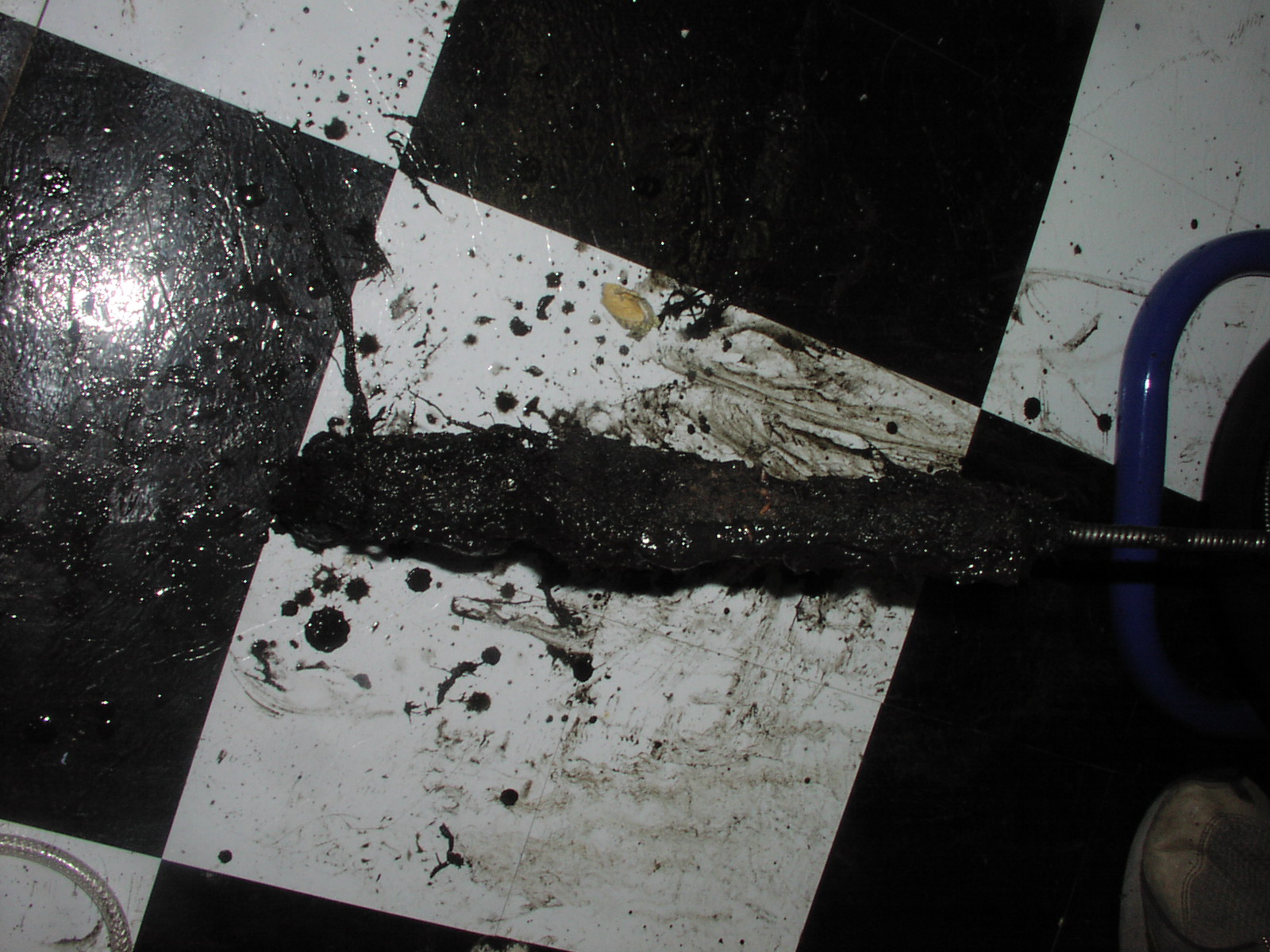
Over time, the buildup of rust and mineral scale becomes so severe that it can’t be cleaned. The photo below shows a look down the bore of a kitchen sink drain line that I recently replaced in a 1948 home.

I tried to clean the drain using a powered drain auger, but I ended up breaking my cable instead.
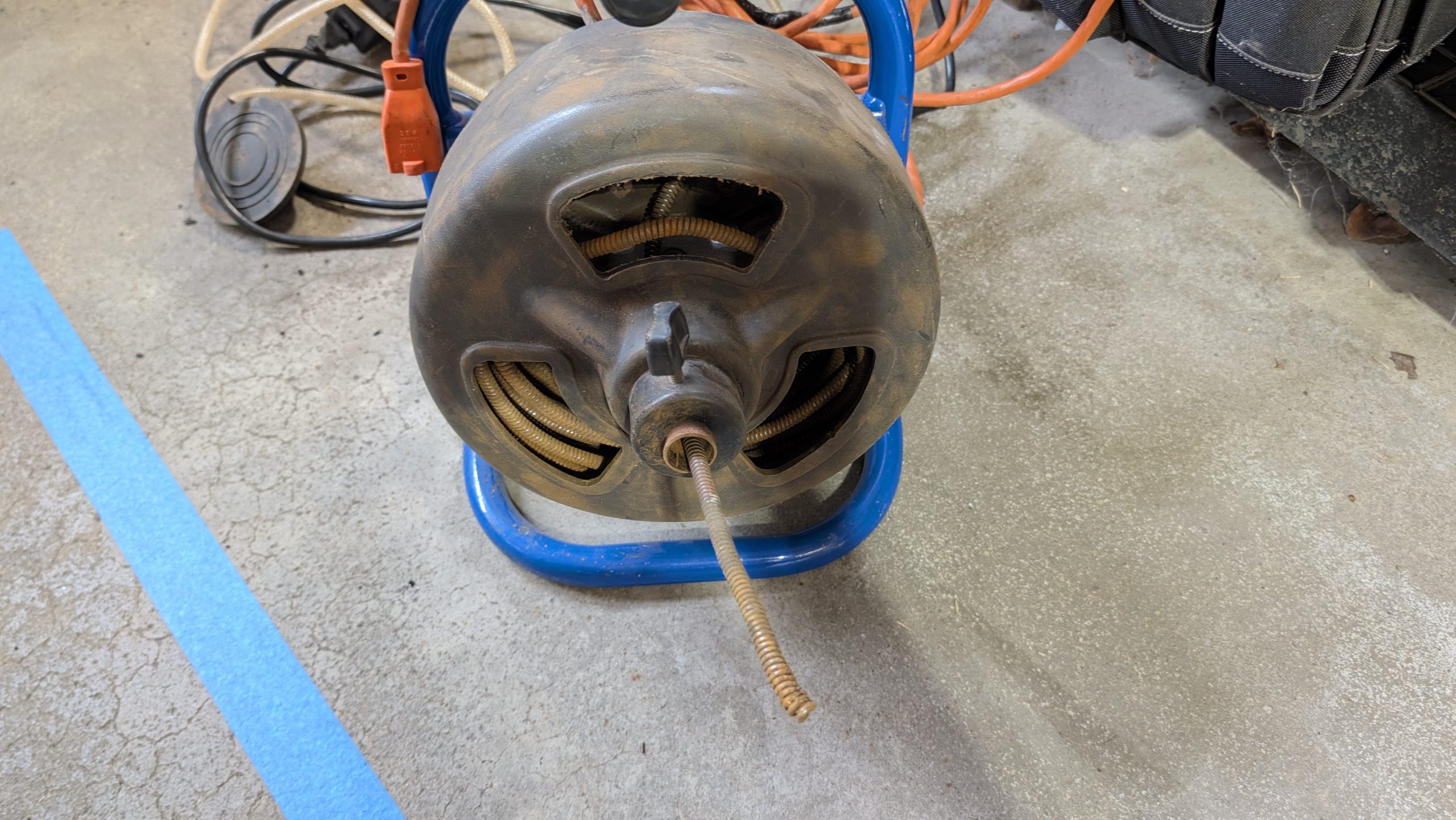
This drain was WAY past the point of cleaning.
What about liquid drain cleaners?
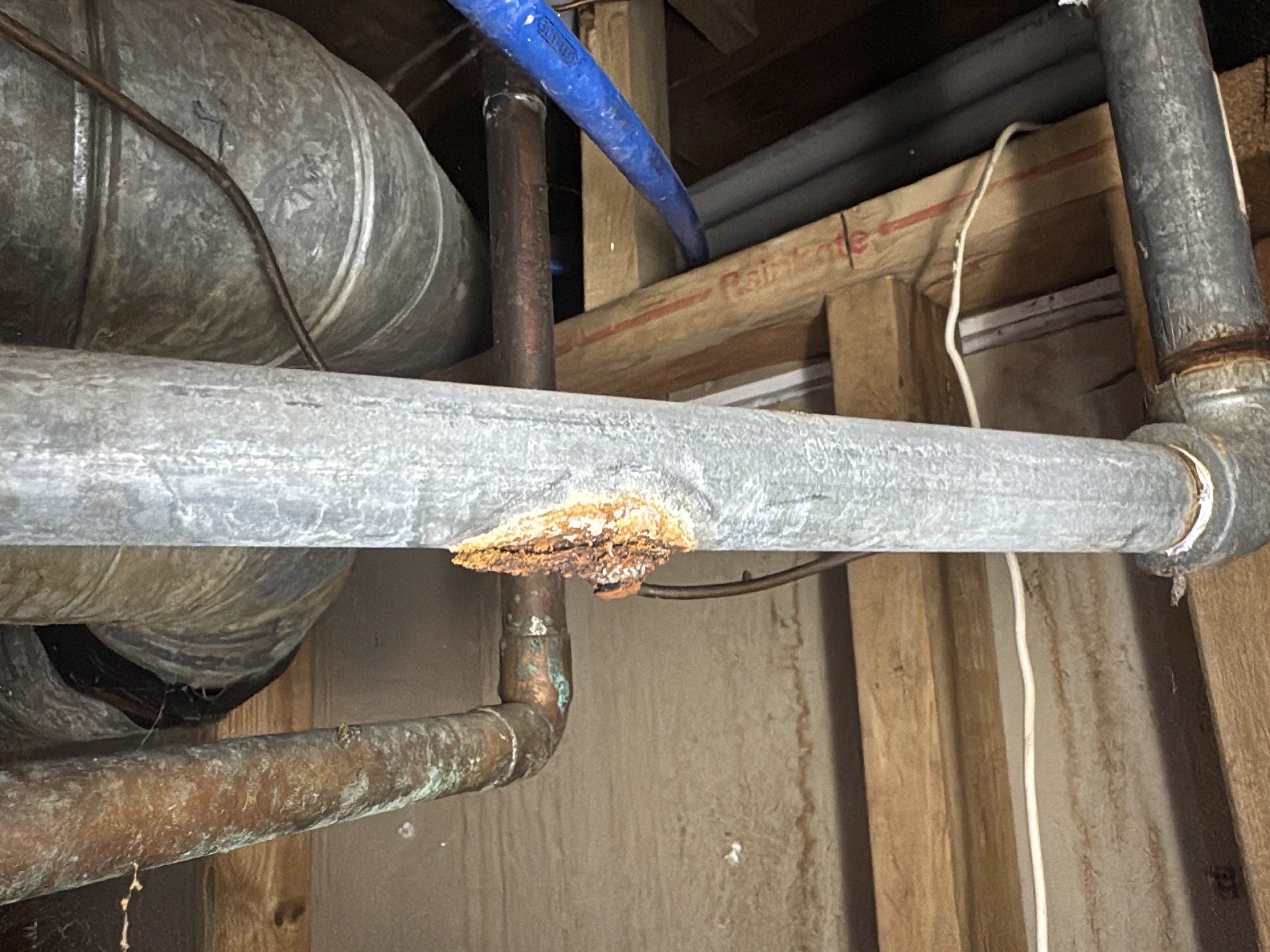
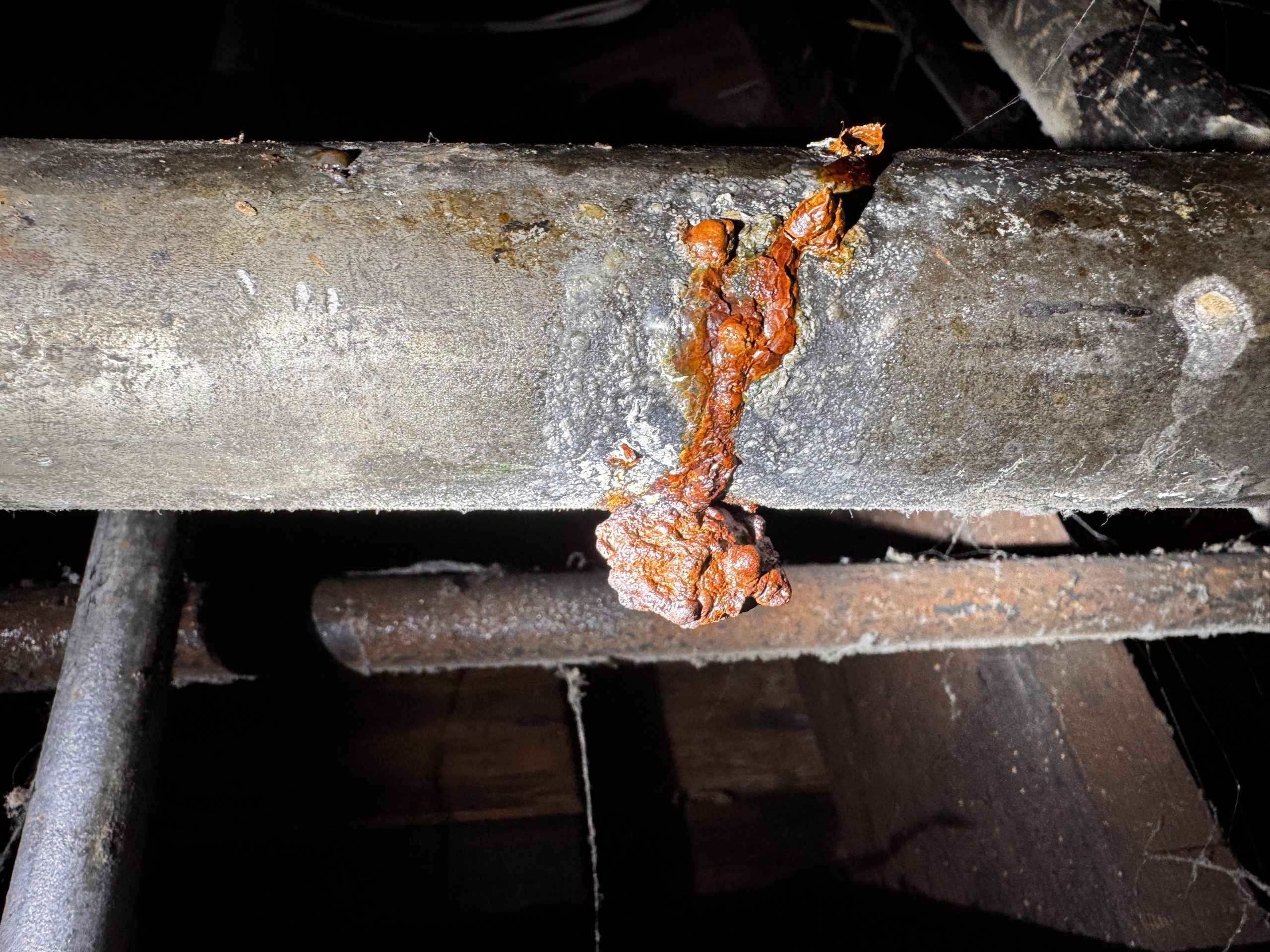
Don’t ever use a liquid drain cleaner on a steel drain. Those consist of strong acids or strong bases, and either one will attack the zinc coating on your drain line, leading to premature failure. And once the zinc is gone, the acid-based drain cleaners really love to eat through the metal, which can cause leaks in the middle of the drain, like these.
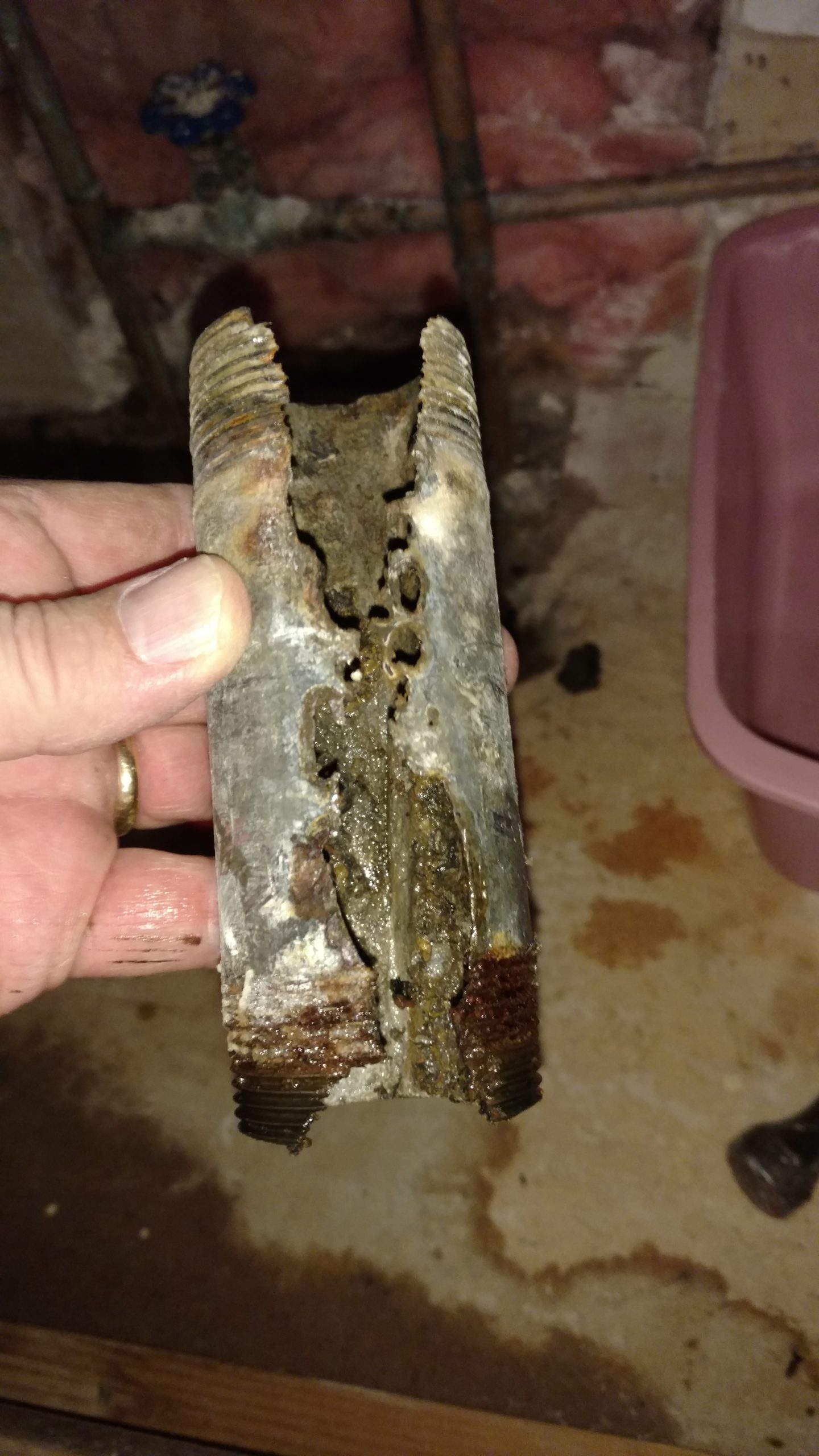
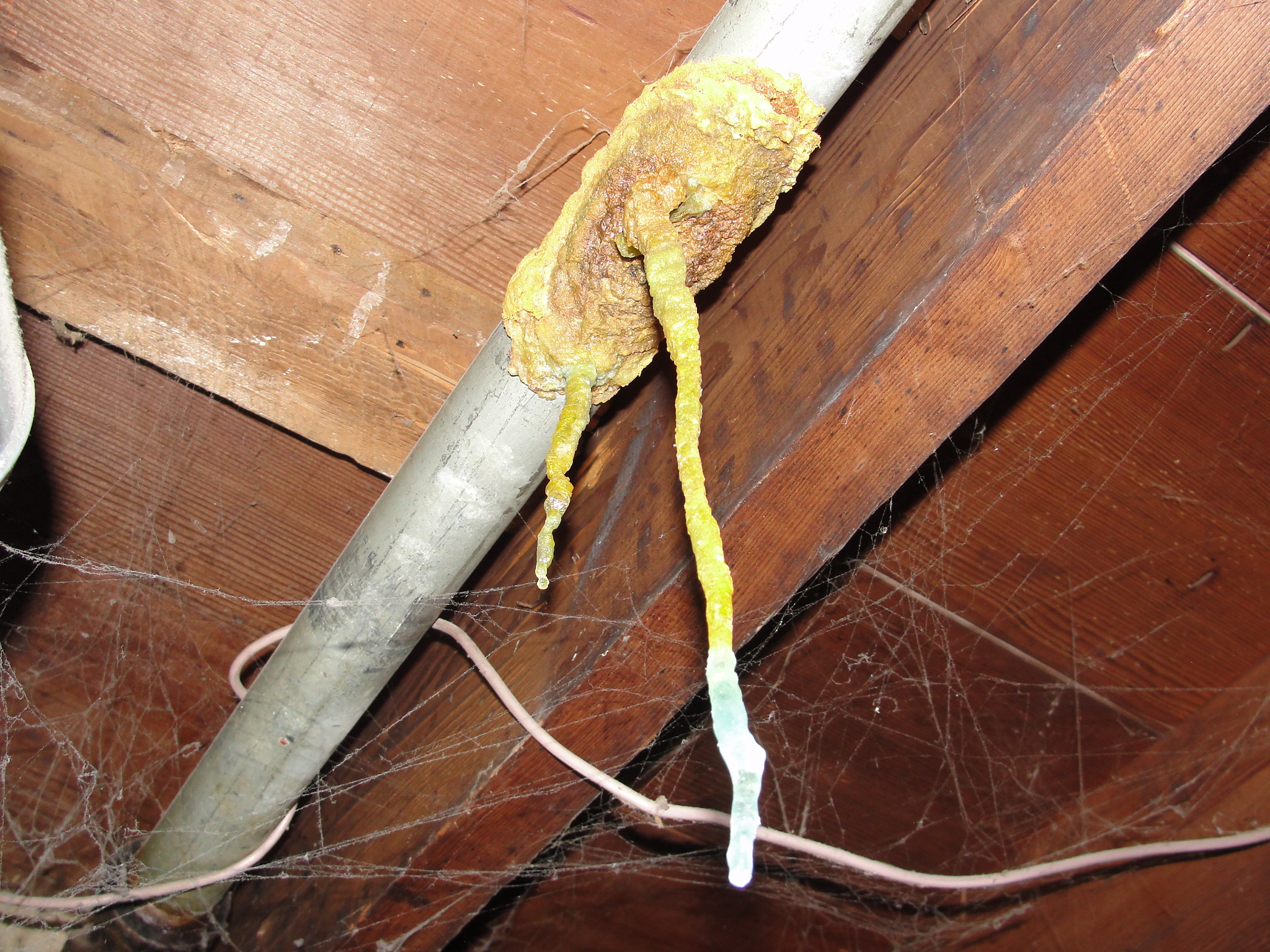
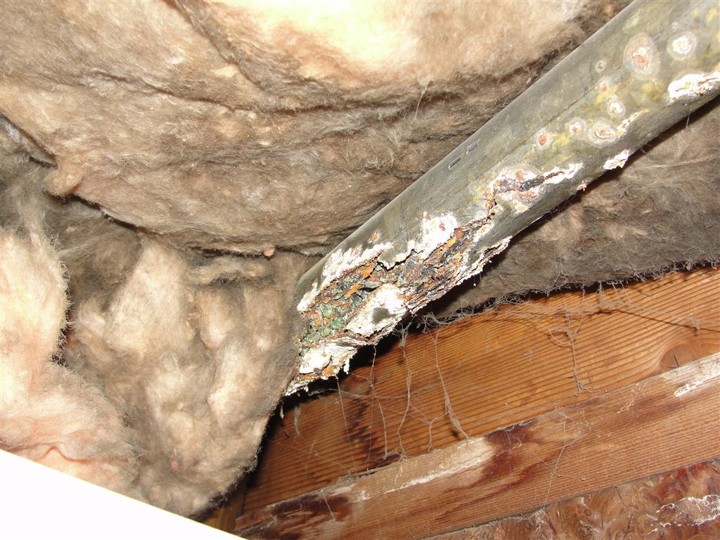
The life of steel drains
Steel drains have a limited lifespan, and even the youngest ones from the mid-1970s are old enough to have serious problems. Because grease, food solids, and soap scum easily adhere to the interiors of rusted drains, kitchen sink drains are usually the first to fail. If you’re doing a kitchen remodel, for the love of love, be sure to replace the galvanized steel drain at the same time.
Sure, it’s more work, and it’ll cost a little more, but it’s way easier to do this when the kitchen is ripped apart. I took the photo below at a flipped house I inspected, where they replaced everything in the kitchen except the steel drain.
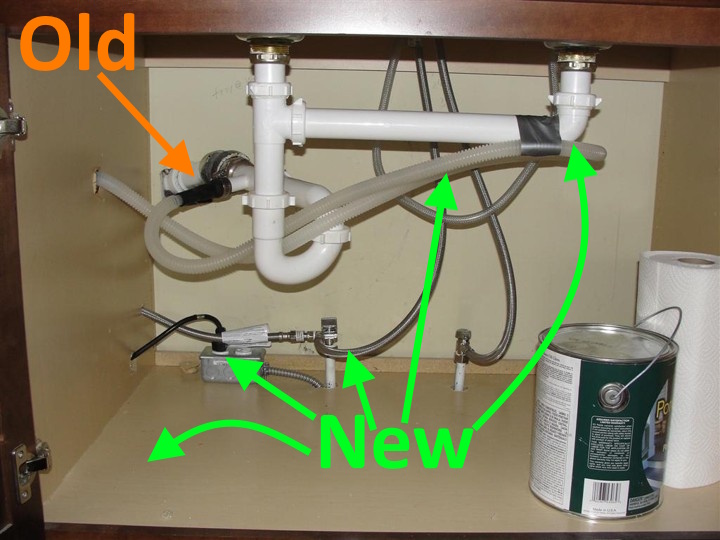
The drain worked fine for a few minutes, until the pipe completely filled with water. Then the water sat in the sink, taking another 20 minutes to fully drain.
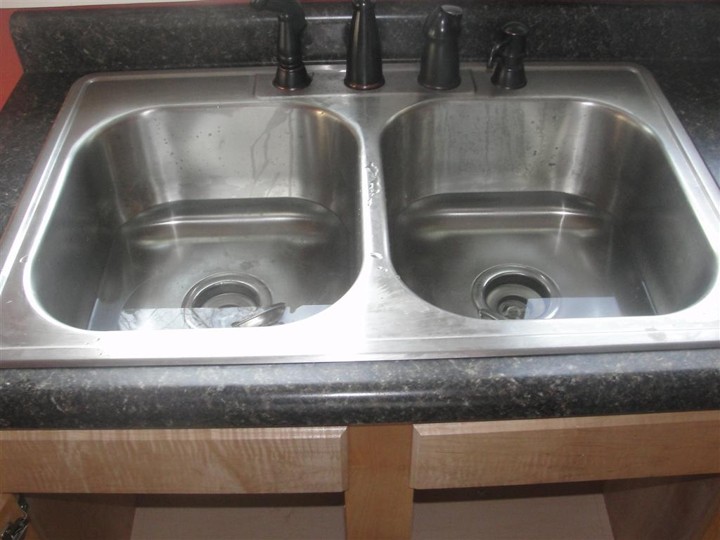
This is why we like to fill kitchen sinks during our home inspections. Now it’s going to be a major hassle to replace that steel drain. What a bummer.
Summary
Steel drains have a limited life. If you’re buying a home with steel drains, plan to deal with this at some point. And if you already own a home with steel drains, be proactive about having them replaced if you’re doing any remodeling. It’s easy to do this stuff when the walls are open, but quite the opposite when everything is finished. To be clear, a steel drain is not a code violation. Nobody is going to require you to replace one. We point these out because they matter, which is a different thing from reporting building code violations.
And just for fun, if you’d like to learn more about the different types of drain systems used in homes, check out this unlisted internal training video I made for new home inspectors at my company:
No responses to “Galvanized steel drains: don’t forget about these when remodeling your kitchen!”
No comments yet.
RSS feed for comments on this post. TrackBack URL
Leave a Reply