
Siding stains like those shown below are common in Minnesota. This usually happens to homes with vinyl, hardboard, or wood siding.
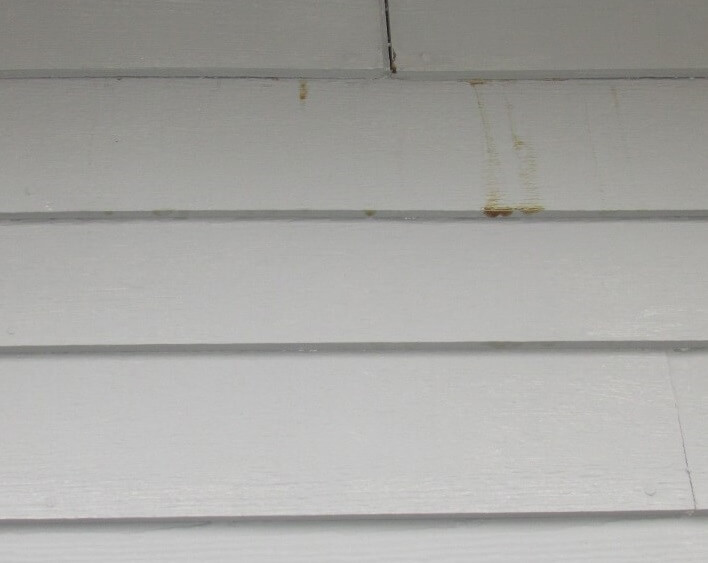
The stains on the siding are the result of water inside the walls. When water runs through the wood wall sheathing, it picks up tannins in the wood and leaves dark stains on the siding. This water typically comes from two places: ice dams or condensation.
Siding stains from Ice Dams
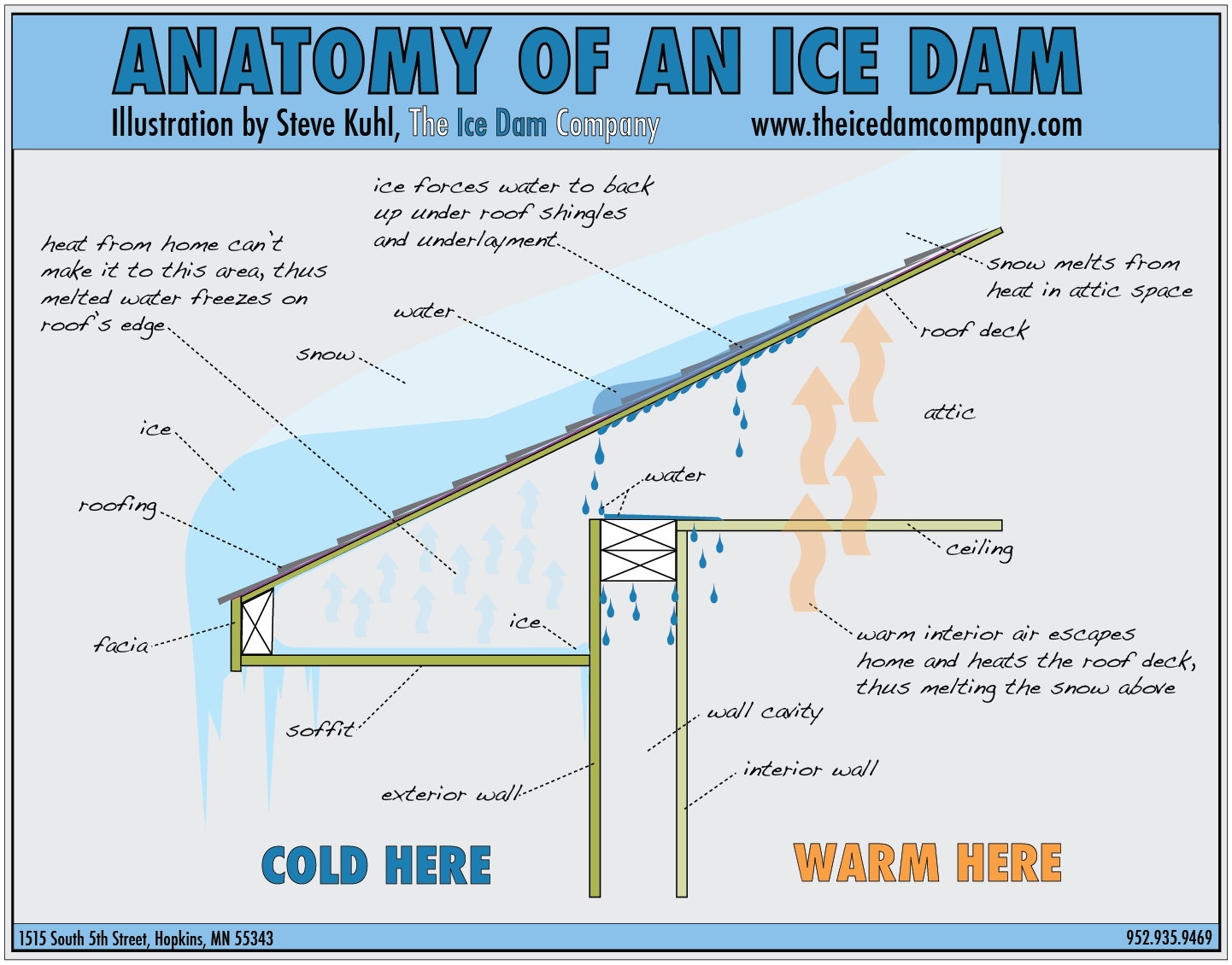
If the home experiences ice dams and the stains start at the soffits and run down the siding, they’re probably the result of water leaking through the roof. The illustration below from The Ice Dam Company shows the path of the water.
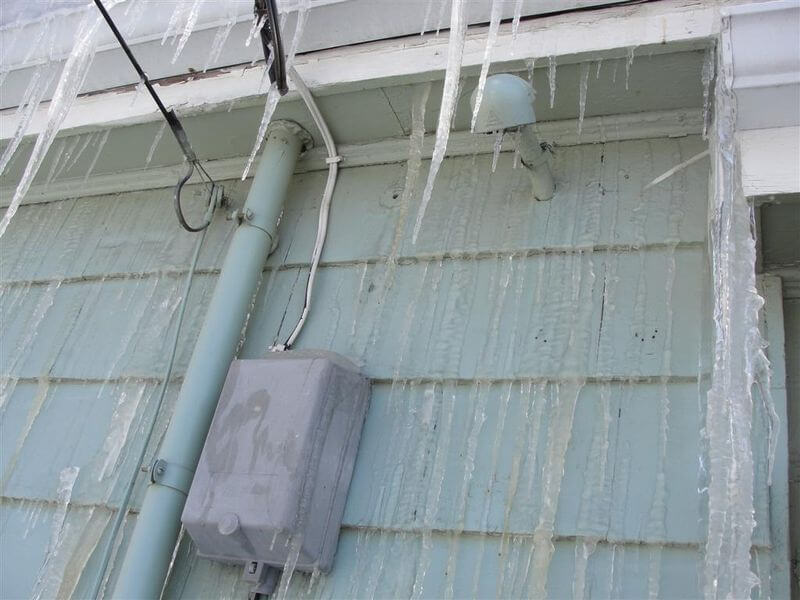
Here’s an extreme example of what you might see on the side of the wall during the winter:
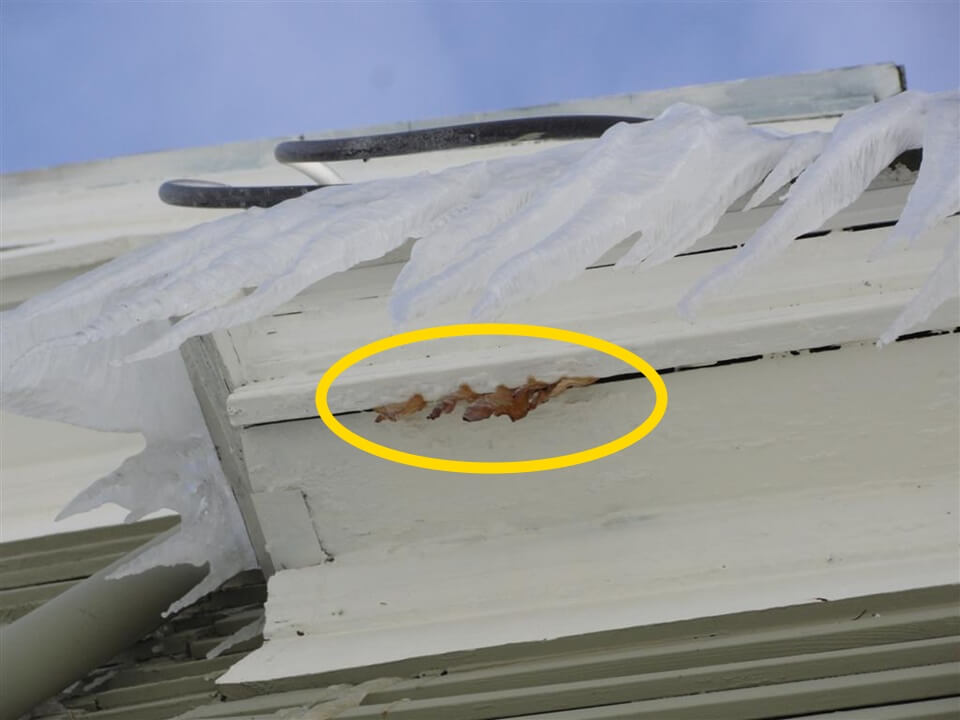
Here’s a close-up photo showing some ice turned brown from the tannins in the wood:
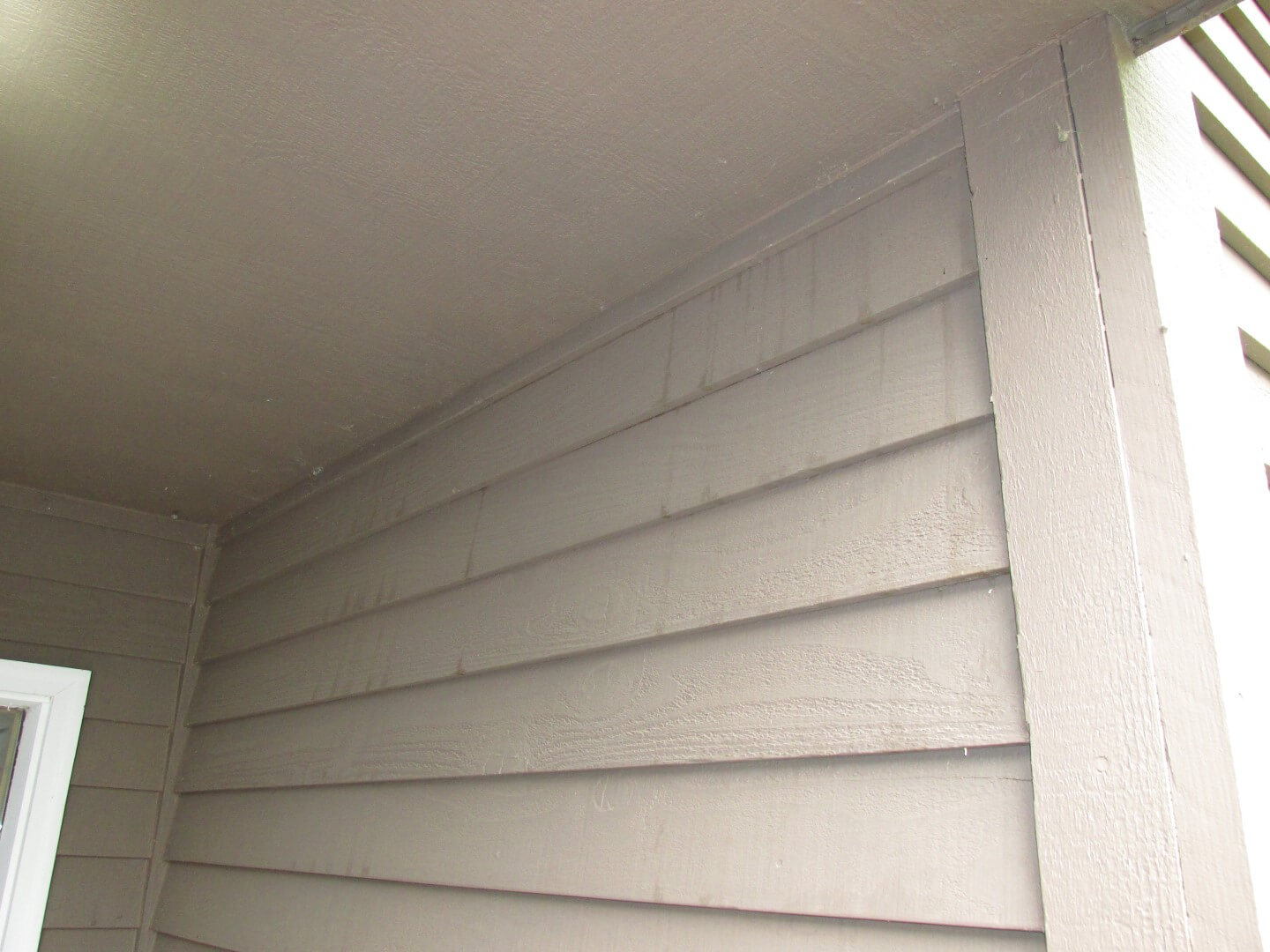
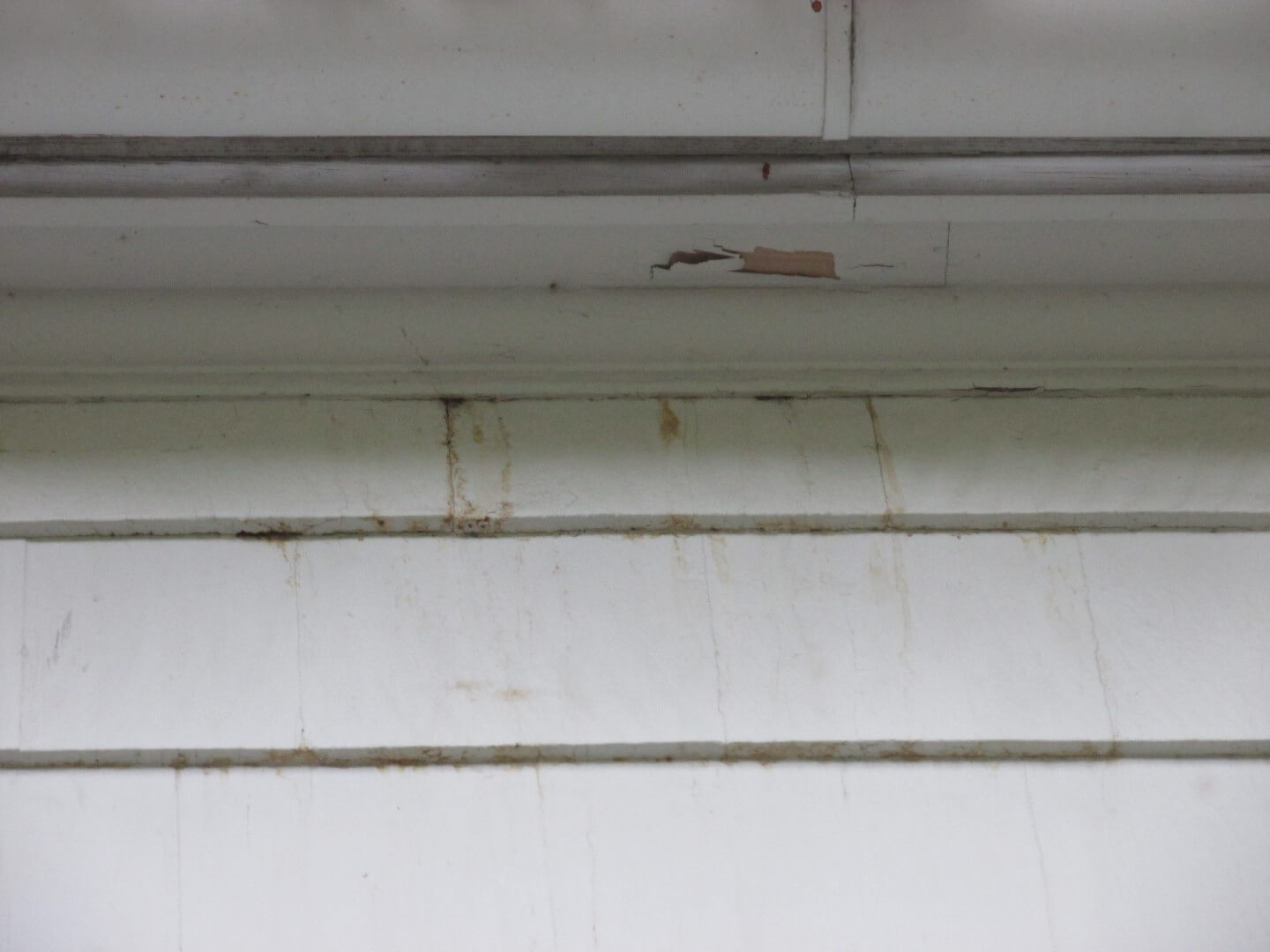
Here are a couple of photos showing what stained siding looks like after all the ice is gone.
 Siding stains caused by condensation
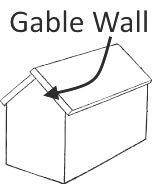
When you have siding stains on the gable-end walls, it’s definitely not the result of ice dams.
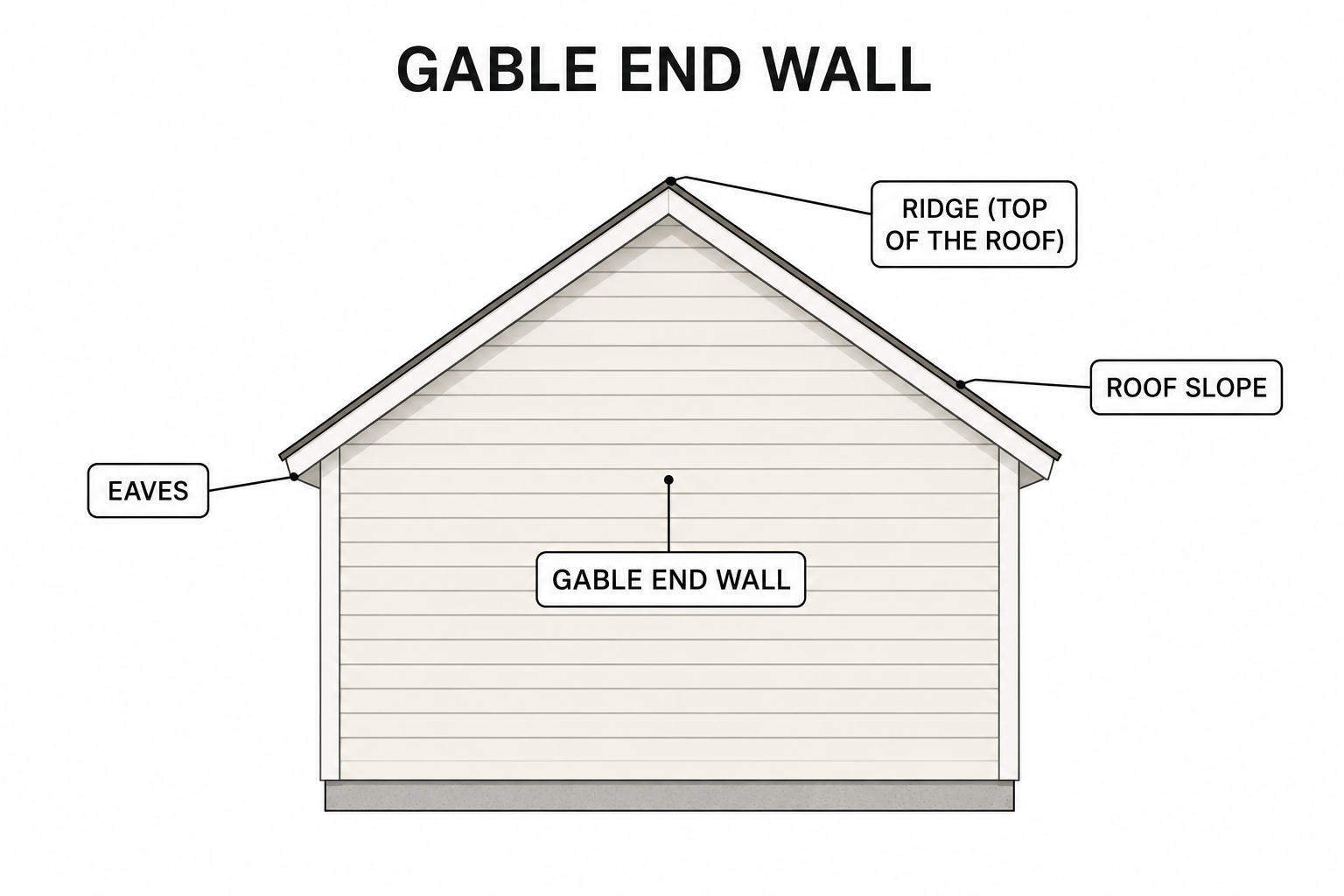
When siding stains appear in random areas during the winter, it’s the result of moisture migrating through the walls in very cold weather, condensing as frost, then melting as the outdoor temperature warms. That’s the long and short of it, but there are a number of factors that increase the likelihood of water stains appearing on siding.
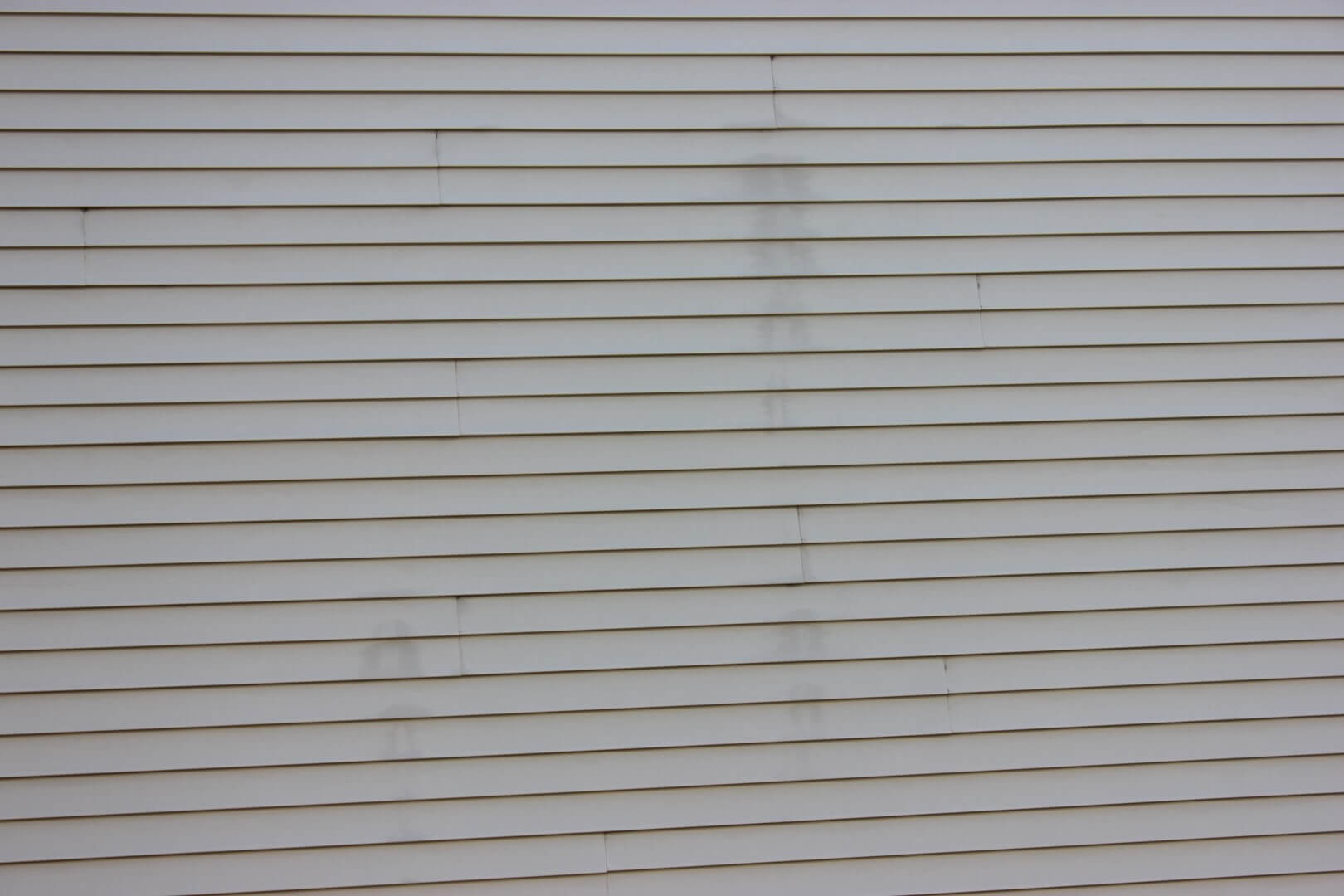
Cold Weather
The colder it is outside, the greater the potential for frost accumulation in the walls and attic. And the longer it stays cold, the more frost will accumulate.
Humid Air
The more humid the air in your home is, the greater the potential for frost in the walls and attic. Do what you can to lower humidity levels; the most obvious “no-duh” thing would be to turn off your whole-house humidifier if you have one. A few other ways to lower indoor humidity levels are:
- Install timers on your bathroom exhaust fans to run them for an hour at a time, and use them.
- Install bathroom exhaust fans in bathrooms used for showers or bathing, if not present.
- If the kitchen hood fan exhausts to the exterior, use it while cooking.
- If you have too many plants (or weeds) in your home, fix that.
- If you have a crawl space with no vapor barrier, fix that. Crawl spaces with dirt floors are major contributors to indoor humidity.
- If your home doesn’t have a ventilation strategy, add one. To understand what that means, please read this excellent article by Dr. Allison Bailes: Choosing a Whole House Ventilation Strategy.
- Read the article I just linked to above. Seriously. This will make the rest of this blog post make more sense.
Combustion Air Duct Connected to the Furnace Return Plenum (AKA – “Supply Only” ventilation)
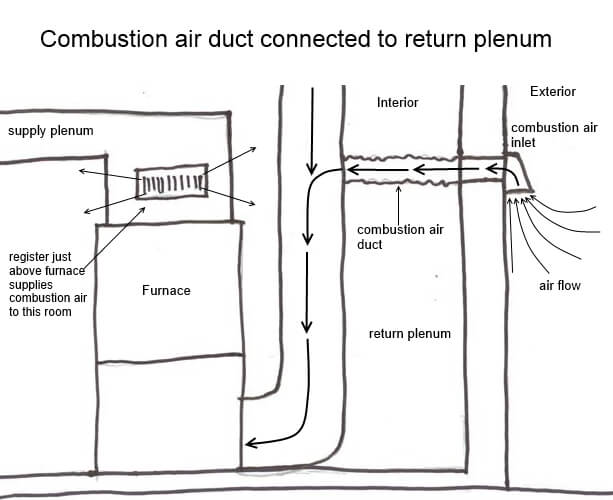
In Allison Bailes’ article above, this would be described as a “Supply Only” ventilation system for the home. Or more specifically, a Central Fan Integrated Supply (CFIS). When the furnace blower runs, it pulls air into the home through the duct that runs to the exterior. This puts the home under positive pressure. Of course, all of that air coming in needs to leak back out… somewhere… right? Of course it does. It leaks through a million little holes in the walls and ceilings. It leaks through outlets, switches, and countless other penetrations. This is how moist air gets into the walls. This is a bad way to ventilate houses in Minnesota. Check out my blog post on this topic for more info: Combustion Air Duct Connected to Return Plenum
Improperly Balanced HRV/ERV
If an HRV or ERV isn’t properly balanced, it can put the house under positive pressure. This increases the potential for air to leak into the wall cavities.
Unbalanced Ductwork
Unbalanced HVAC ductwork can cause pressure problems. Leaky or excessive return openings in the basement can create negative pressure in the basement, while the upper levels are under positive pressure. As I mentioned in my blog post on frost in the attic, one simple test to find out if your basement “sucks” is to position a door to the basement about 1″ away from being closed, then turn on the furnace fan. If the door closes by itself, it’s an obvious sign that the ductwork is not properly balanced.
There are more factors than these, but these are the most obvious. If a home has never had stains on the siding in the past but stains have recently started showing up, you’re probably scratching your head, wondering why, right? The simple answer is that something changed, and the most likely cause was that you accidentally decreased the ventilation in your home.
Turning off or disabling an HRV (air exchanger) would be an extremely obvious example, but that’s a little too “on the nose”. If that happened, you already know what you did. A far more likely but less obvious cause of decreased ventilation in a home would be replacing an older 80% efficient furnace with a new high-efficiency, sealed-combustion furnace. That will cause a major unintended change in ventilation; check out my blog post on that topic: New High-Efficiency Furnace, New Moisture Problem.
Another common cause of decreased ventilation is having air sealing performed in the home, especially in the attic. Attic air leaks are also known as attic bypasses. Air sealing is required by law in Minnesota when adding attic insulation: Minnesota Department of Commerce: “Beware the Insulation Contractor Who Does Not Include Air Sealing”. When these air leaks are sealed, less air leaves the home, so less air enters. That means a decrease in ventilation, which can lead to new problems… such as stains on the siding.
Photos from New Construction Home Inspections, Part IV | Structure Tech Home Inspections
November 11, 2014, 5:49 am
[…] or positive pressure, neither of which is usually good. Check out my recent blog post about siding stains; putting a house under positive pressure would contribute to stains like that. If the balancing […]